Some companies chase trends. A rare few end up shaping entire industries instead. Arvind and the Lalbhai Group we belong to have done exactly that, weathering a century of change while staying true to the values we began with.
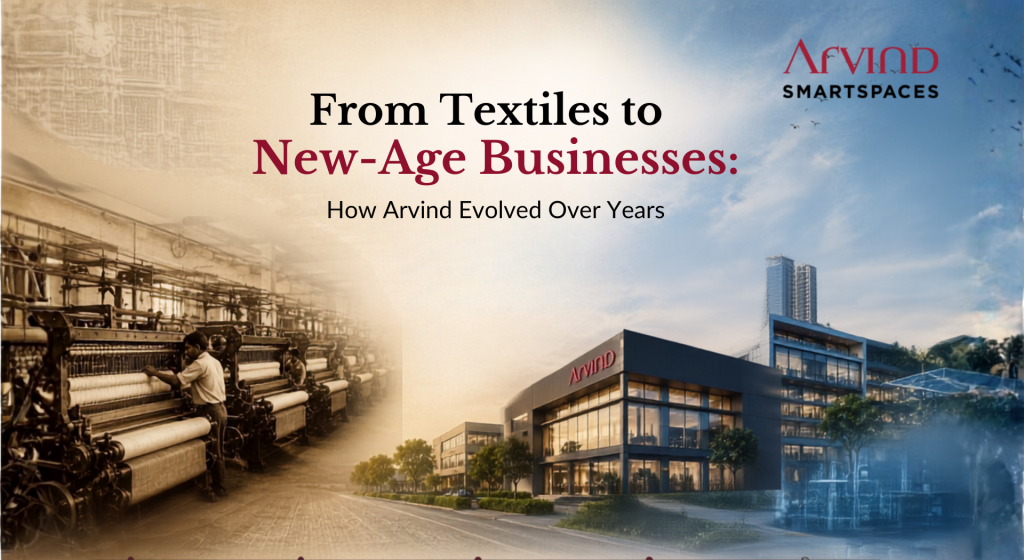
So how did a textile mill from 1931 end up building homes, workspaces, and industrial parks across India today? That is exactly the story we are unpacking here. We trace how a single textile venture grew into a diversified business group, and how that legacy lives on today through Arvind SmartSpaces, a premium real estate developer carrying the Lalbhai name forward.
Who Started It All, and When Did the Journey Begin?
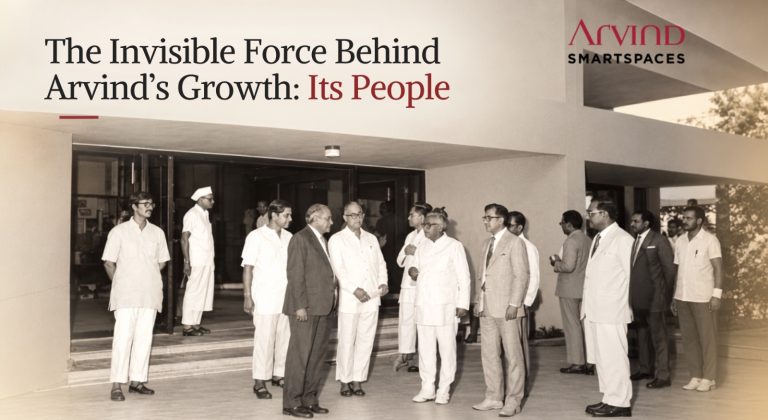
Our story starts in 1931, when the Lalbhai family laid the foundation of what would become one of India’s most respected industrial houses. It was a different India back then, still under British rule, with barely any textile infrastructure of its own. This venture was part of that very first wave of textile investment in the country, built with a simple but powerful purpose: to make products for India, by India.
At the helm was Kasturbhai Lalbhai, a visionary who believed capitalism should be a force for societal growth, not merely shareholder value. His mission was nation-building, making India swadeshi by replacing premium textiles that were otherwise imported from the UK. Under his leadership, the group grew into a textile empire spanning several entities, built India’s first integrated chemical plant (which went on to become Atul, a sister company), and even shaped economic thought at a national level, with Kasturbhai authoring the Bombay Plan, an early blueprint for Indian capitalism.
Here is the thing that really stands out. This idea that business must also be a vehicle for social good became the constant thread running through our history, carried forward relentlessly from Kasturbhai Lalbhai to Sanjay Lalbhai and the generations after him.

How Did a Textile Company Turn Into a Diversified Business Group?
If the early years were about building, the decades that followed were about reinventing, again and again. We have lived through two World Wars and several difficult economic periods, and each time, we came out leaner, stronger, and full of new learning.
The business itself kept transforming: from a manufacturer of traditional sarees to a modern fabrics powerhouse that achieved world leadership in denim, and then in woven fabrics. From there, we moved into vertical integration, building a full-fledged garment business, and more recently, advanced materials, which now forms a fast-growing part of our portfolio.
A few firsts worth pointing out along the way:
- Brought denim to India for the very first time
- Launched Flying Machine, one of India’s well-known denim brands
- Launched Arrow as one of the country’s first exclusive brand outlets
- Conceived one of the first multi-product platforms in advanced materials
- Built an in-house omnichannel technology stack, later absorbed into the fashion and brands businesses
The retail arm eventually evolved into Arvind Fashions, marking a move into forward integration and brand-building. Even sustainability wasn’t left out of this reinvention story, as the need to conserve water within operations led to the creation of an environmental solutions business. Today, under the next generation of leadership, we’re looking at a company approaching ₹20,000 crore in revenue across eight lines of business, with reinvention cycles that now happen roughly every five years, guided by a deep commitment to integrity and respect for the individual.
What Is Arvind SmartSpaces, and How Does It Connect to This Legacy?
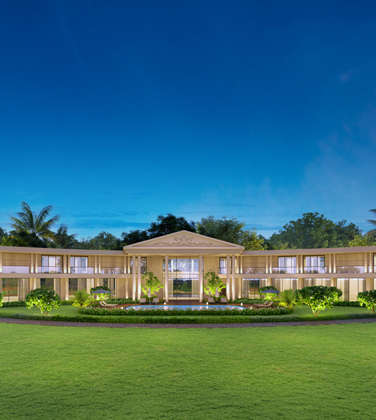
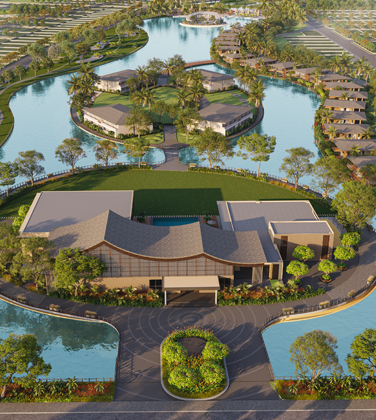
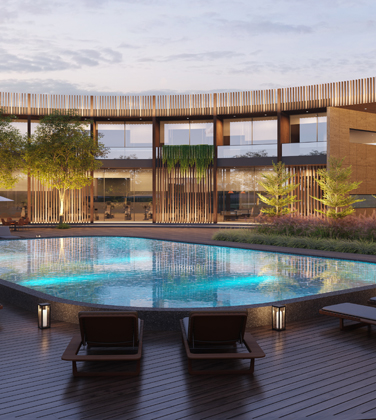
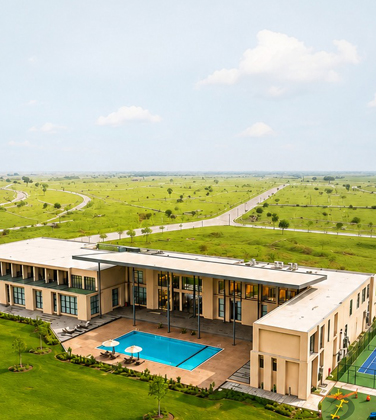
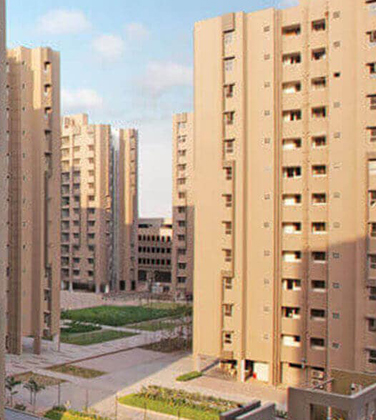
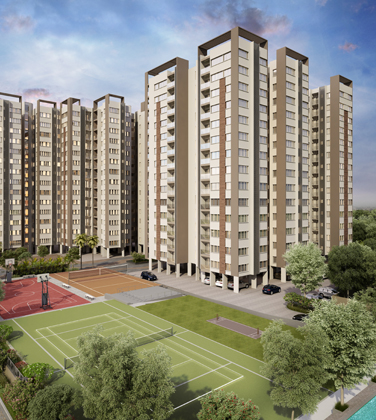
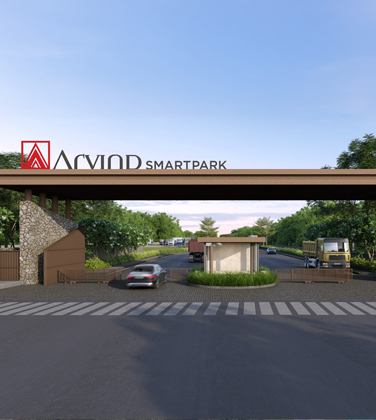
Real estate is one of the most compelling chapters of our diversification story. Arvind SmartSpaces was born out of the group’s own large land bank, a natural extension of decades of industrial presence across India, and has since grown into a separately listed real estate company in its own right.
As the real estate arm of the Lalbhai Group, we carry forward the same principles that have defined the parent company for over a century: trust, quality, innovation, and a long-term view of value creation.
Where Does Arvind SmartSpaces Build, and What Can You Expect?
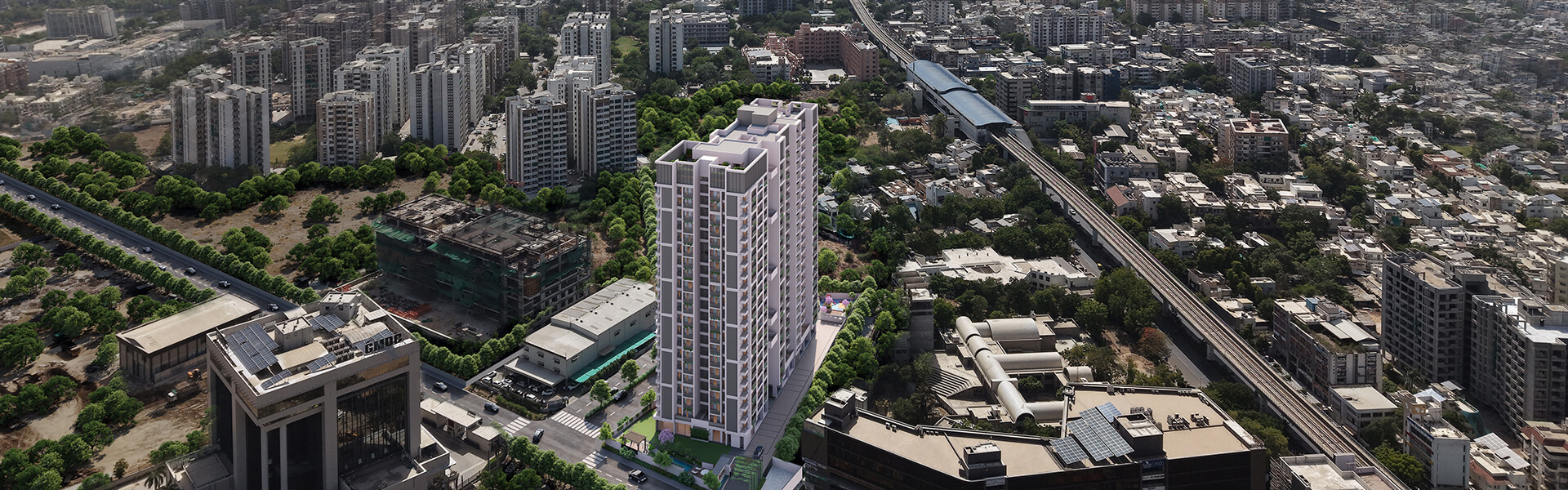
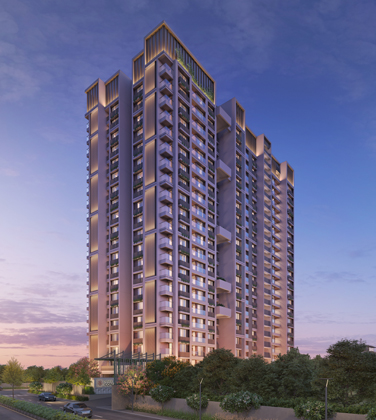
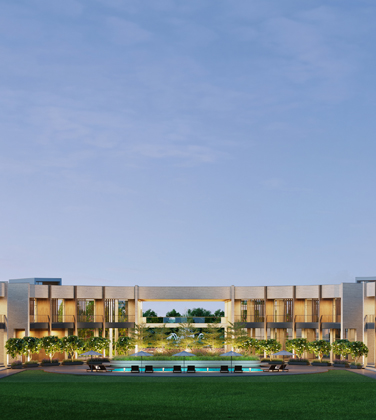
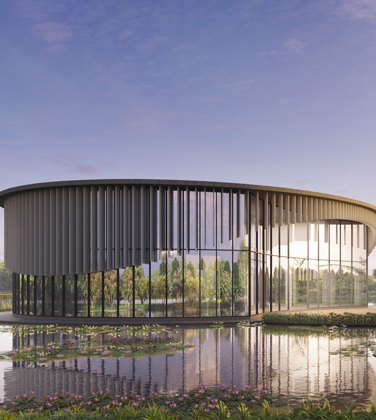
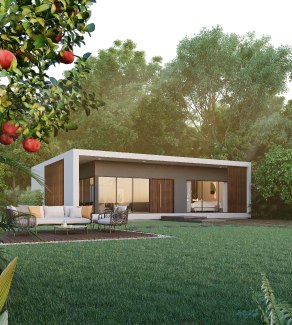
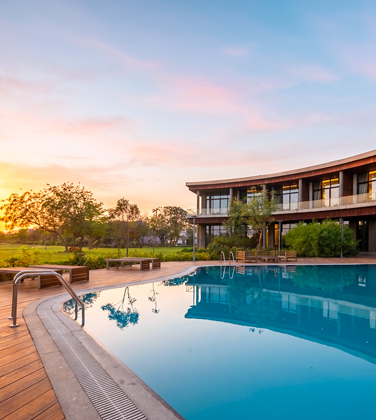
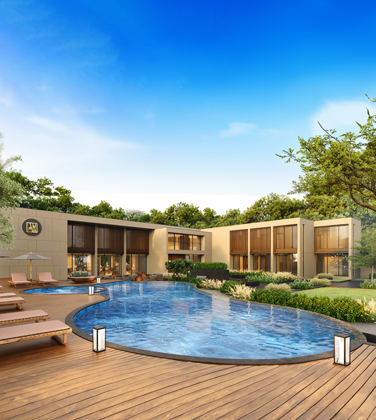
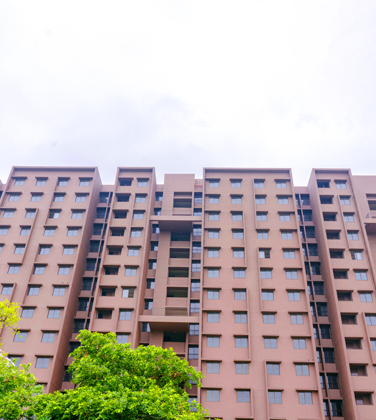
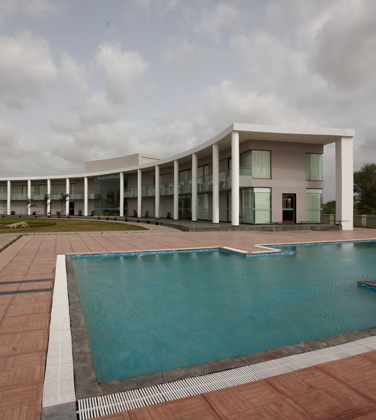
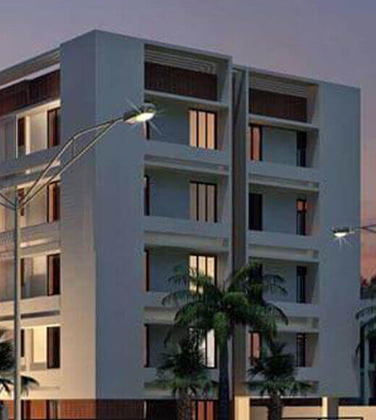
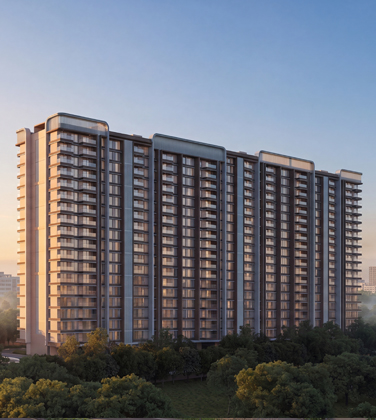
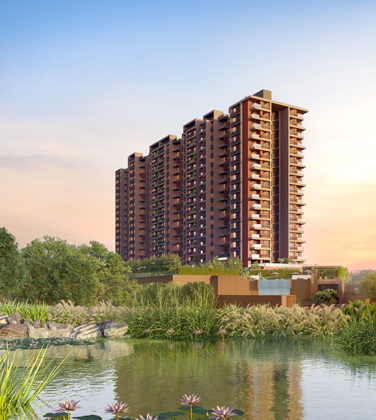
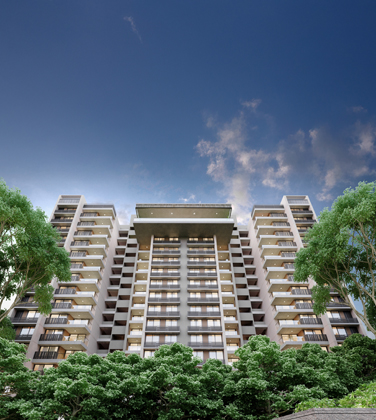
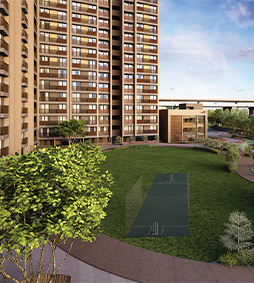
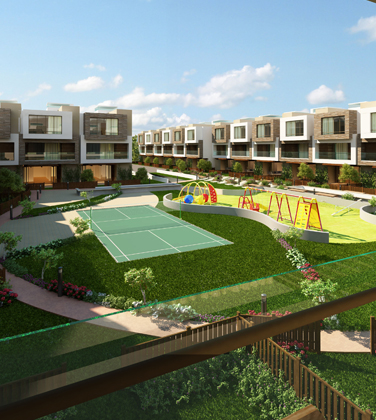
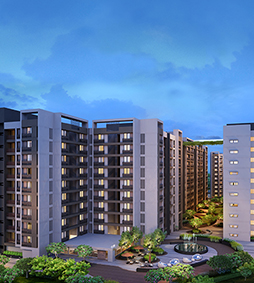
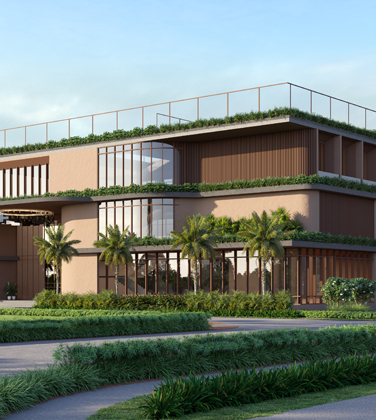
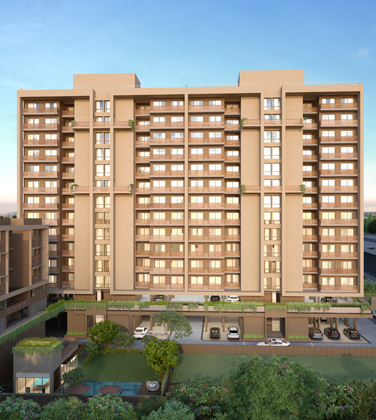
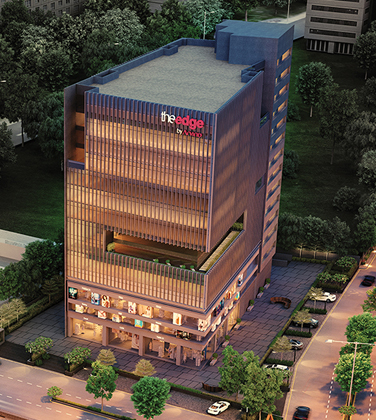
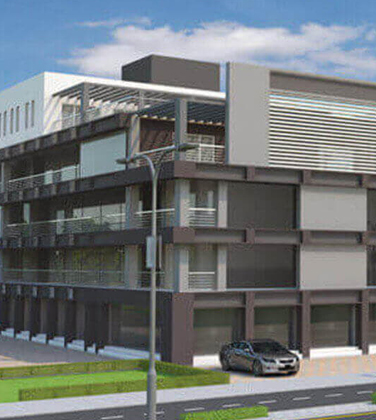
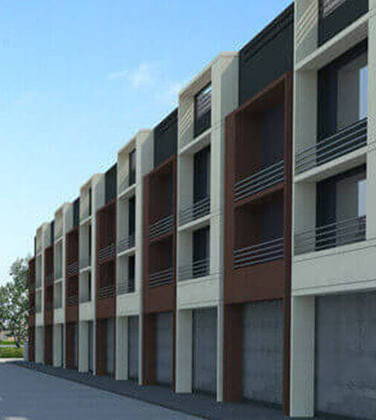
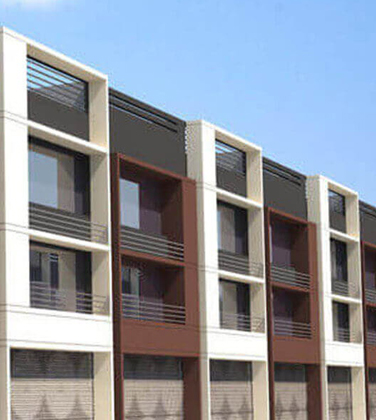
This shows up in how we approach every single project, whether it is premium residential developments, commercial spaces, industrial parks, or plotted developments, across growth markets such as Ahmedabad, Bengaluru, Vadodara, MMR and Pune.
For homebuyers and investors, this heritage matters. As a premium real estate developer backed by a diversified business group with over 128 years of legacy, we bring a different kind of assurance to every project we build, one rooted in decades of doing business the right way, not just building for the moment.
What Does the Future Hold for This Century-Old Legacy?
The world today is far from certain. Political tensions, raw material shortages, price pressures, and shifting demand define the current business landscape. Yet, true to our history, we see this as a period of opportunity as much as challenge. Meeting it will require teamwork, a shift in mindset, and the willingness of individuals to step outside their comfort zones, the same qualities that carried us through two World Wars and countless cycles of reinvention before.
As we approach our next century, our leadership speaks of themselves as trustees, custodians of a legacy built by Kasturbhai Lalbhai and Sanjay Lalbhai, responsible for laying the foundation for the next 100 years, while continuing to create value for shareholders and contribute to nation-building.
So, What's the Real Takeaway Here?
This is, at its heart, a textile to real estate journey shaped by one enduring idea: that business should create lasting value, not just for shareholders, but for society at large. From Kasturbhai Lalbhai’s original vision to the developments taking shape across Indian cities today, we remain committed to the same trust, innovation, and quality that built this legacy in the first place. That is the true measure of Arvind SmartSpaces, a legacy built to last well beyond its first hundred years.